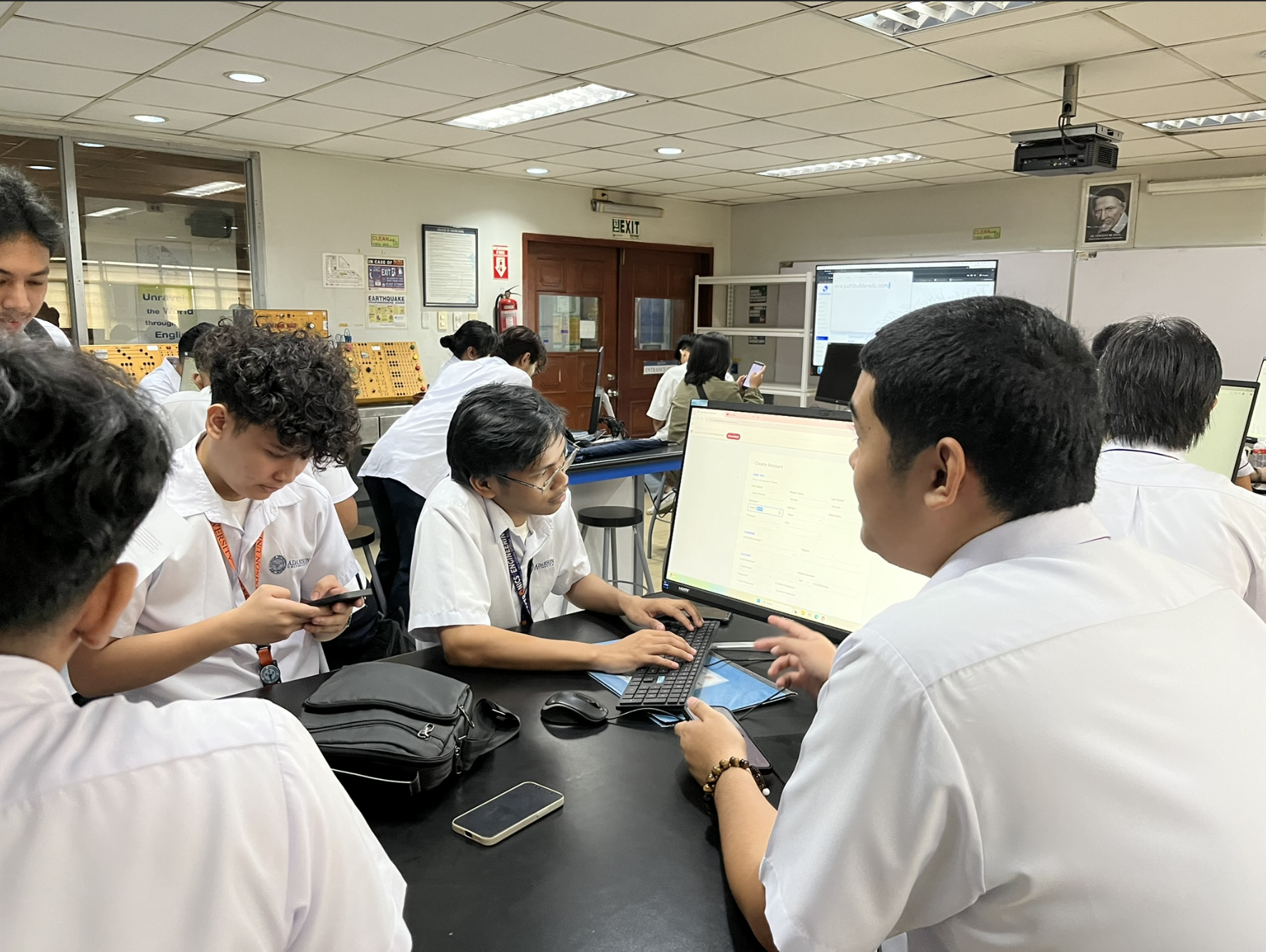

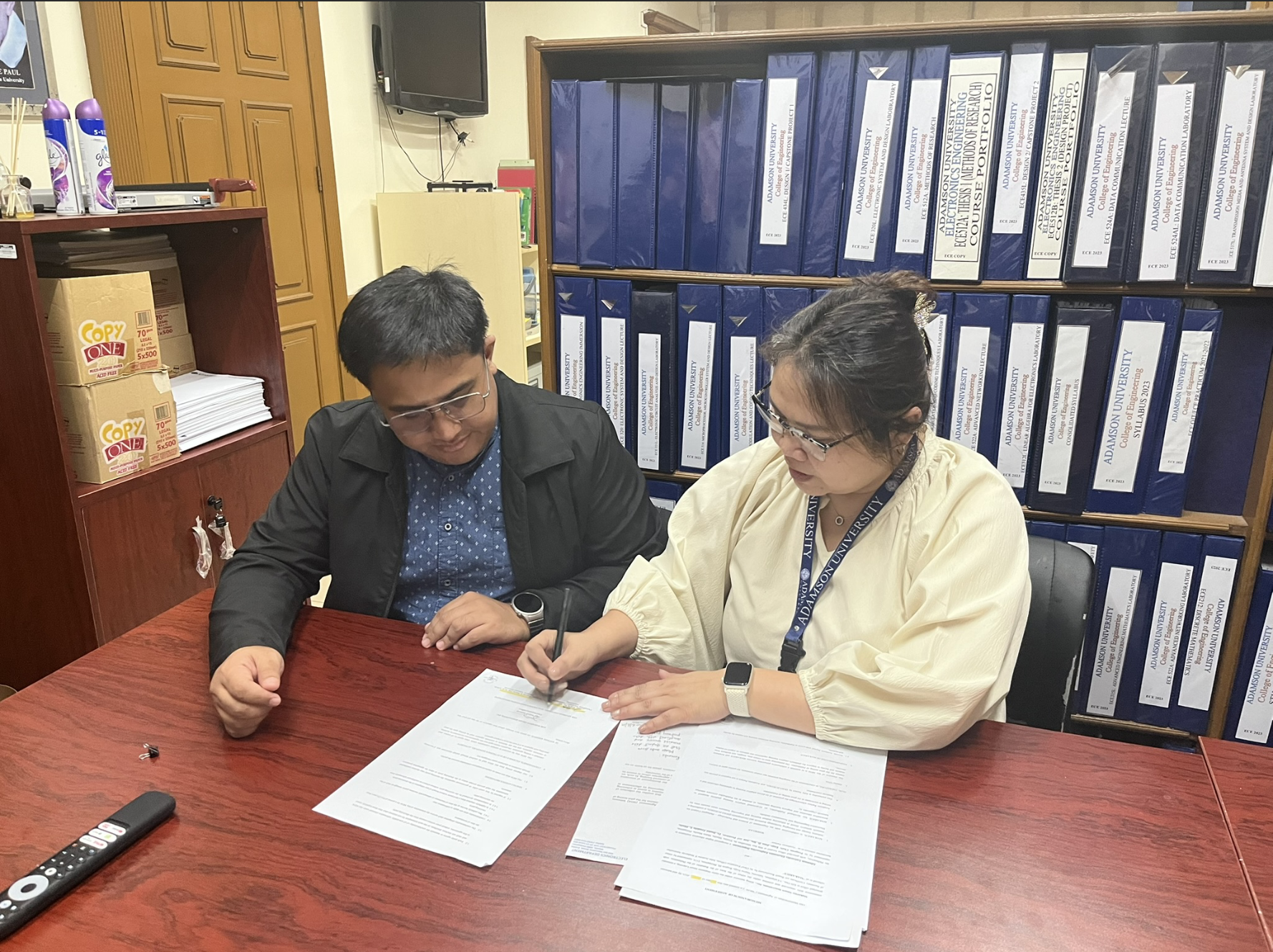

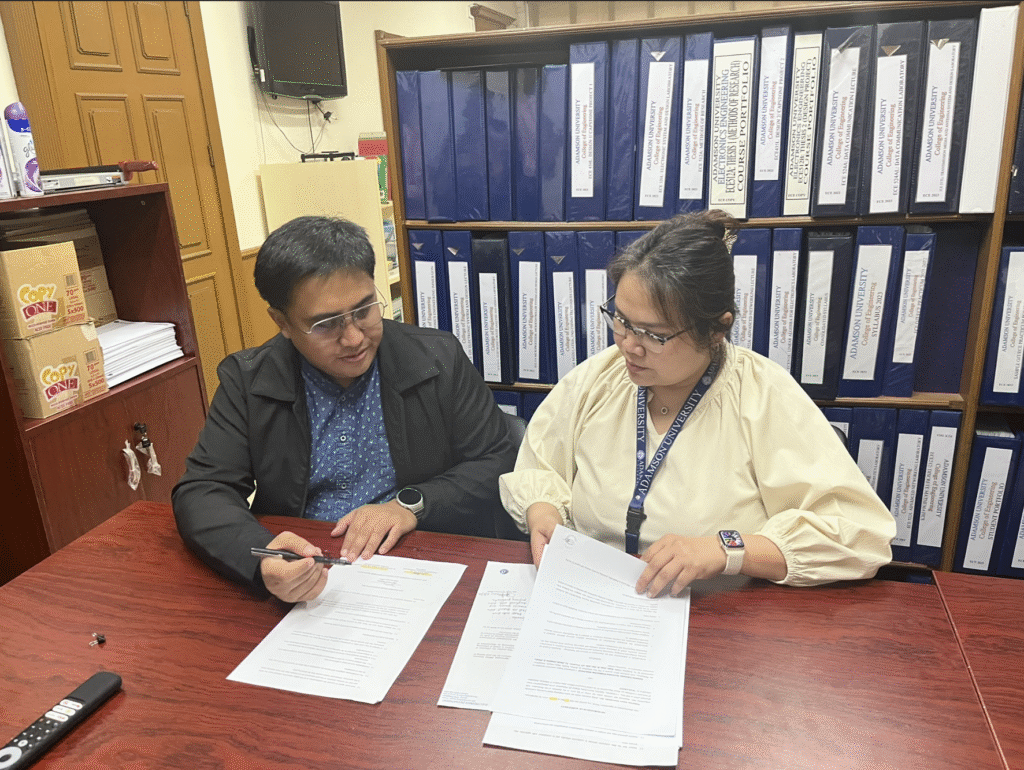
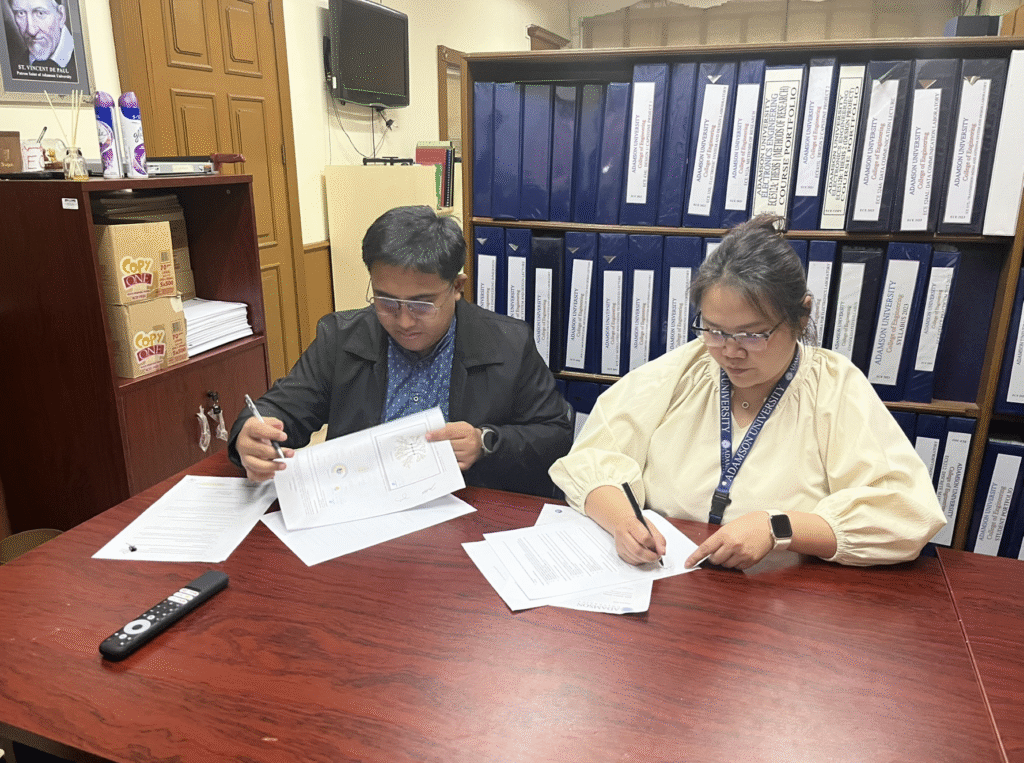
August 28, 2025 — Manila. Adamson University and Makarius Smart Learning have entered into a Memorandum of Agreement (MOA) to modernize teaching, assessment, and student support with responsible, measurable use of AI. The collaboration focuses on improving learning outcomes, accelerating faculty workflows, and strengthening advising—while upholding clear standards for ethics, privacy, and academic integrity.
Why this matters
Adamson is investing in a model where technology serves pedagogy—not the other way around. The partnership establishes shared practices for outcome alignment, timely feedback, and early-risk detection so instructors can intervene sooner and students can progress with confidence.
What the MOA covers
- Teaching & Assessment Studio — co-design of ready-to-run modules, formative checks, and rubric-aligned feedback patterns that keep educator judgment at the center.
- Student Success & Advising — early-signal dashboards and outreach playbooks that trigger timely nudges for at-risk learners.
- Faculty Enablement Academy — short-format clinics, micro-credentials, and course makeovers to ensure practical, ethical AI use in real classes.
- Data, Policy & Integrity — campus guardrails for transparency, privacy, model usage, and academic honesty, with routine integrity spot-checks.
Platforms supporting the rollout
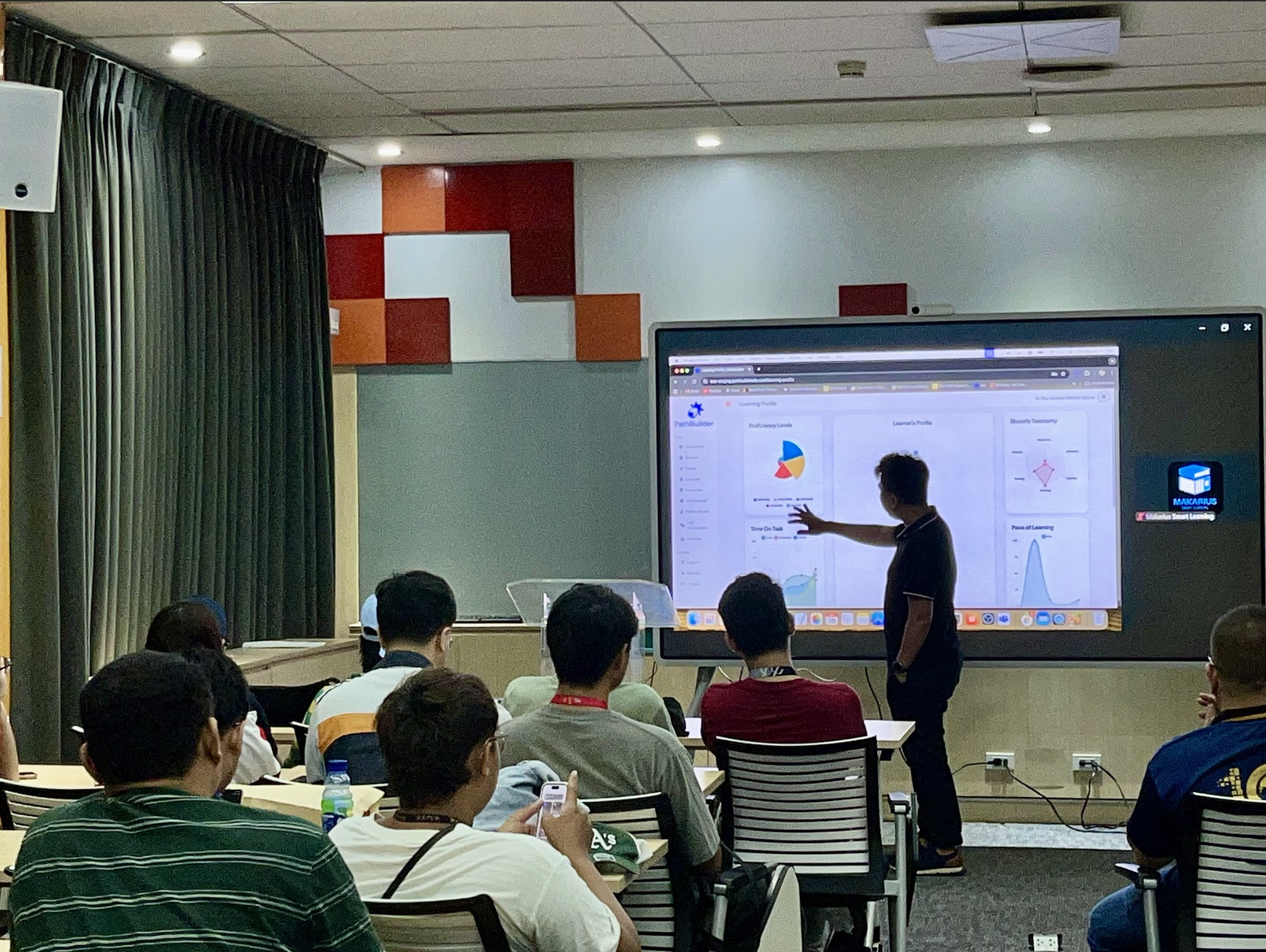
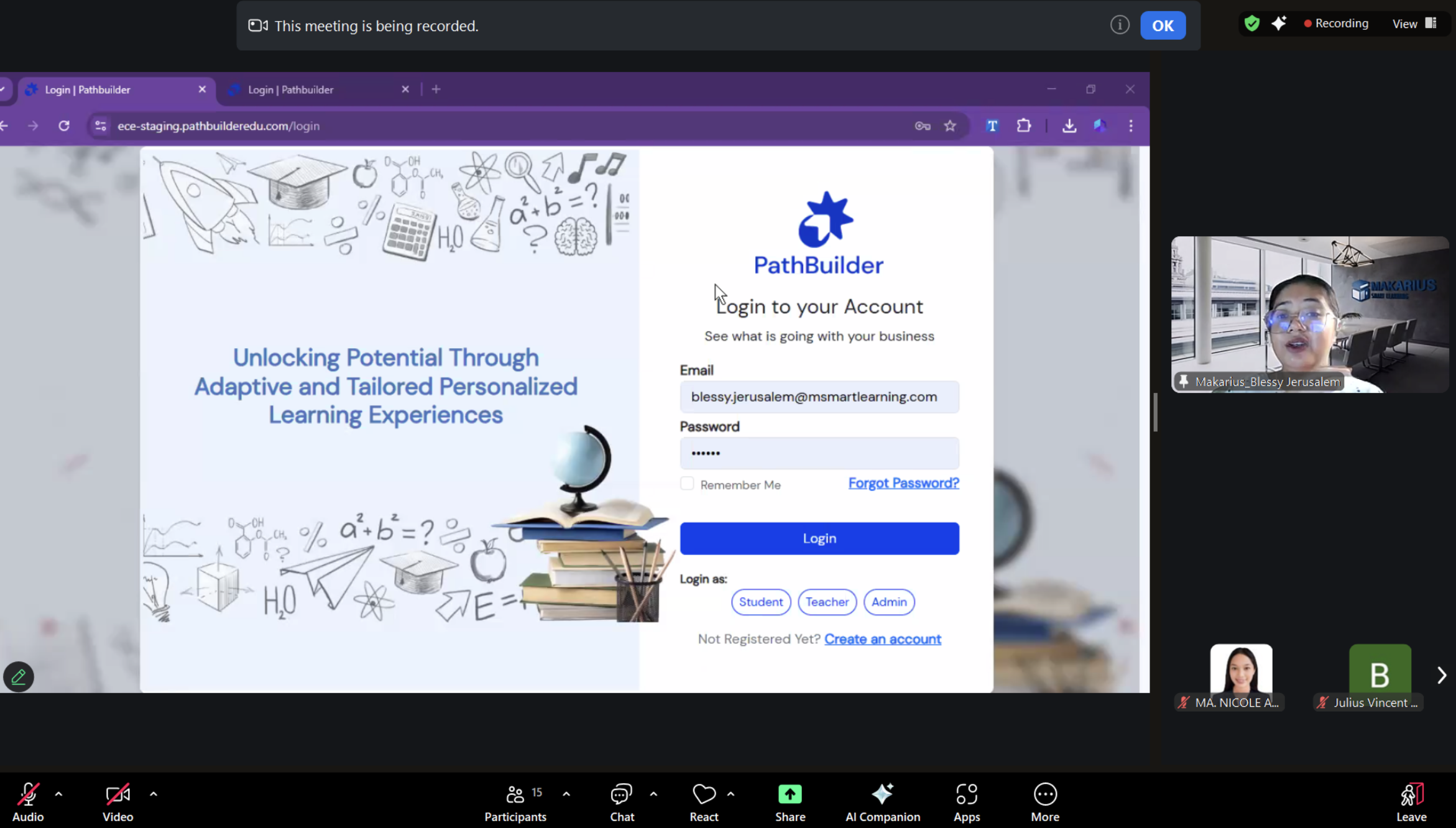
- PathBuilder maps outcomes to tasks and rubrics, surfaces mastery signals, and helps faculty personalize learning sequences.
- FutureClassroom enables HyFlex-ready delivery, content capture, and engagement analytics that fit modern, flexible instruction.
First 90 days: the implementation arc
- Discover — select lighthouse courses, set baselines (feedback turnaround, early engagement, mastery on priority outcomes).
- Pilot — deploy in target sections; run weekly learning reviews and integrity checks.
- Validate & Expand — iterate on what works, then extend to additional programs where evidence shows clear gains.
Metrics that matter
- Faster feedback cycles in weeks 1–4
- Lift in early engagement (attendance, low-stakes checks, LMS interactions)
- Mastery gains on program-critical outcomes
- Faculty adoption & satisfaction tied to enablement quality and policy clarity
Institutions exploring responsible AI adoption can connect with us at msmartlearning.com to discuss pilots and partnerships.