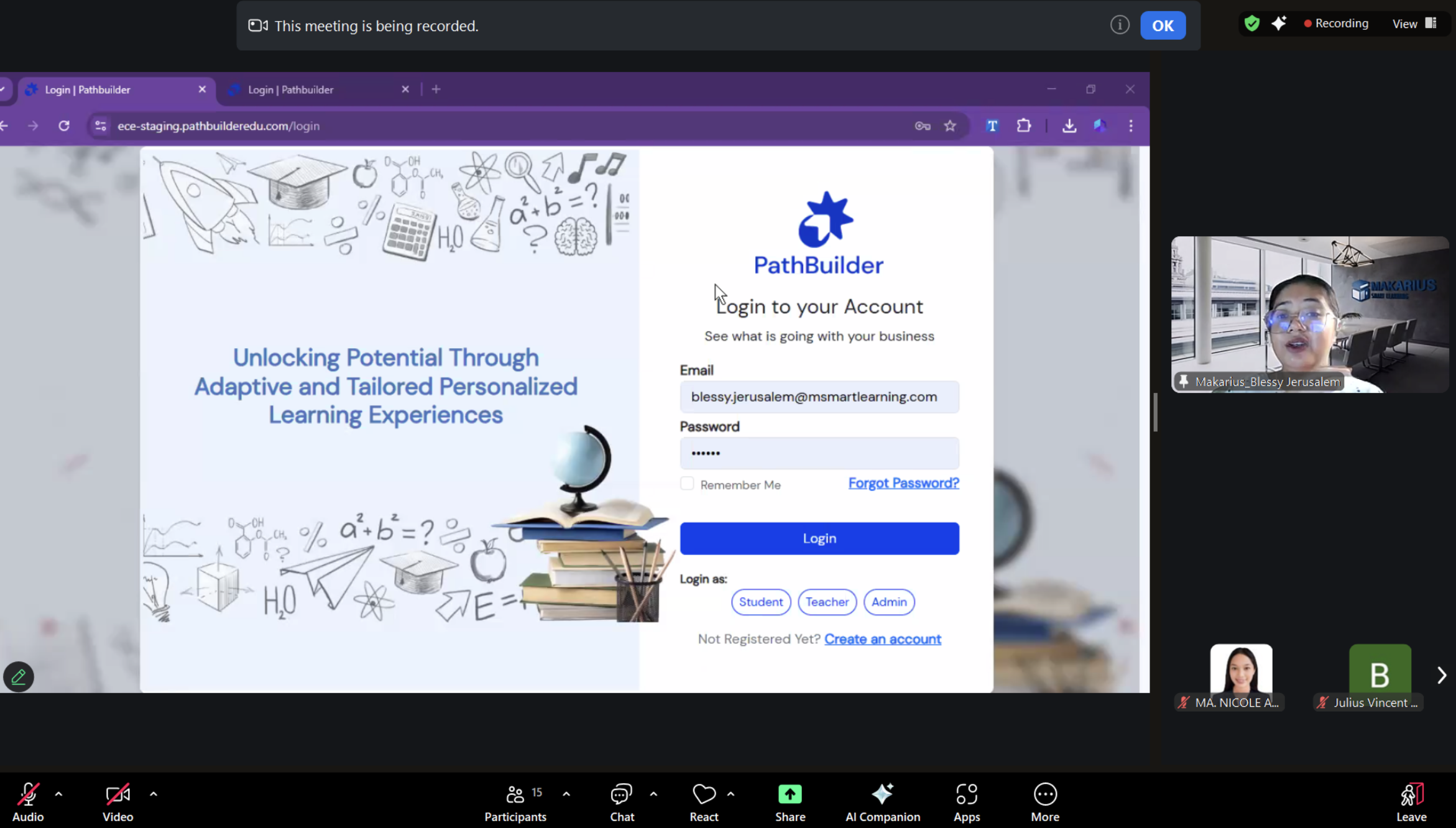

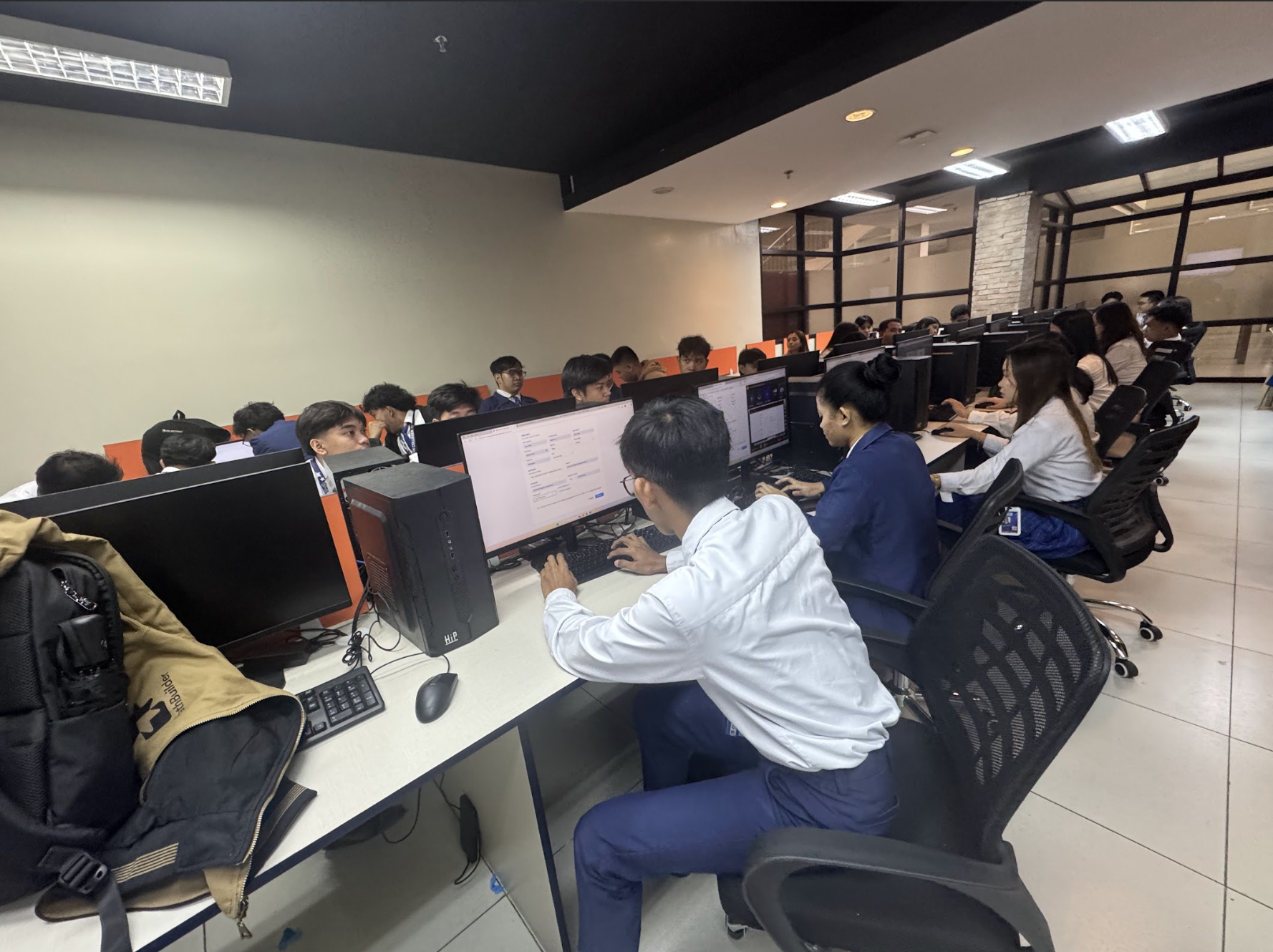

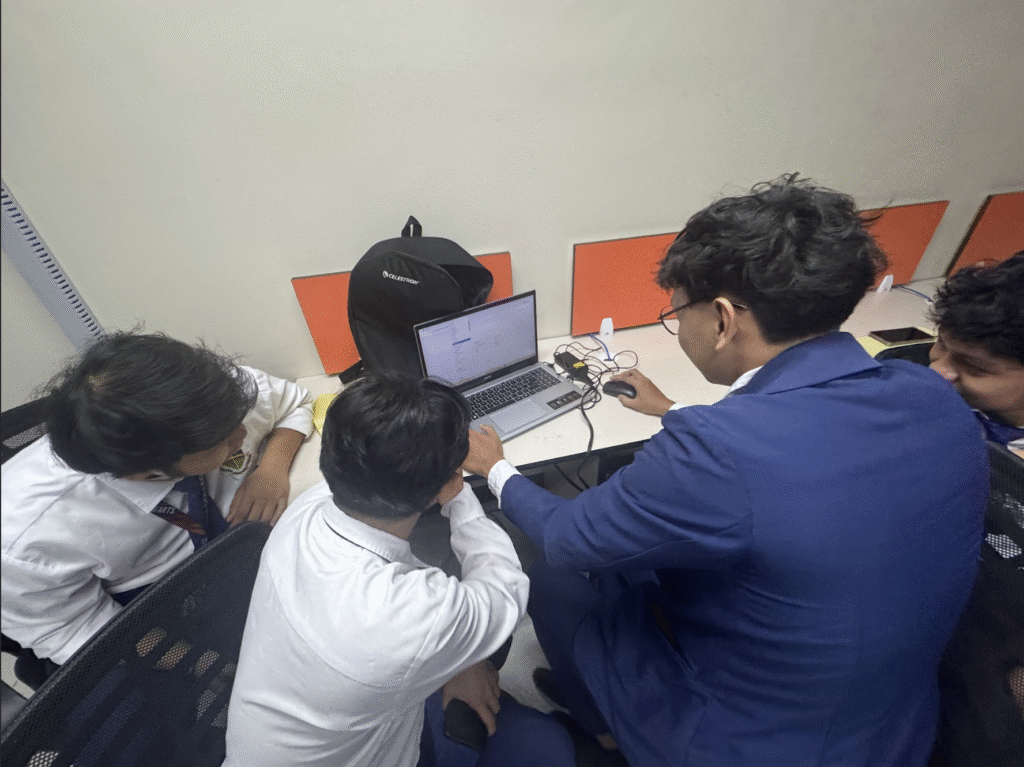
August 5, 2025 — FAITH Colleges kicked off an Electronics and Communications Engineering (ECE) faculty onboarding with Makarius Smart Learning, turning AI strategy into practical, classroom-ready routines for lab-heavy courses. The session emphasized ethical, measurable use of AI—supporting instructors as they design experiments, deliver feedback faster, and surface early risks to student performance.
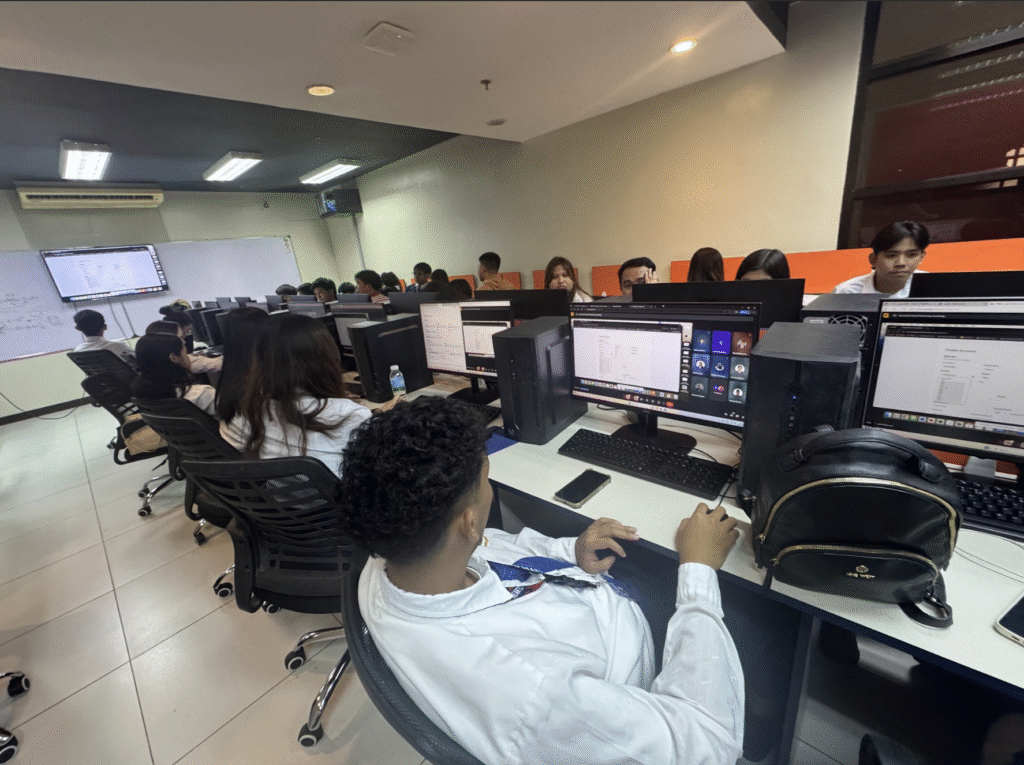
Workshop highlights
- Lab-first course design: Faculty translated outcomes into week-by-week experiment sequences (e.g., instrumentation, basic analog, digital comms) with clear pre-lab checks and post-lab reflections.
- AI-assisted planning (with guardrails): Rapid generation of lesson outlines, demo prompts, and formative question banks—paired with academic integrity rules specific to coding, simulation, and report writing.
- Evidence-driven assessment: Rubric templates for design reviews, breadboard builds, simulation artifacts, and oral defenses—so feedback is consistent across sections.
- Intervention playbooks: Lightweight “nudge” flows for students who miss pre-labs, struggle on concept checks (filters, modulation, PLC basics), or fall behind on documentation.
Tooling ECE faculty can use immediately
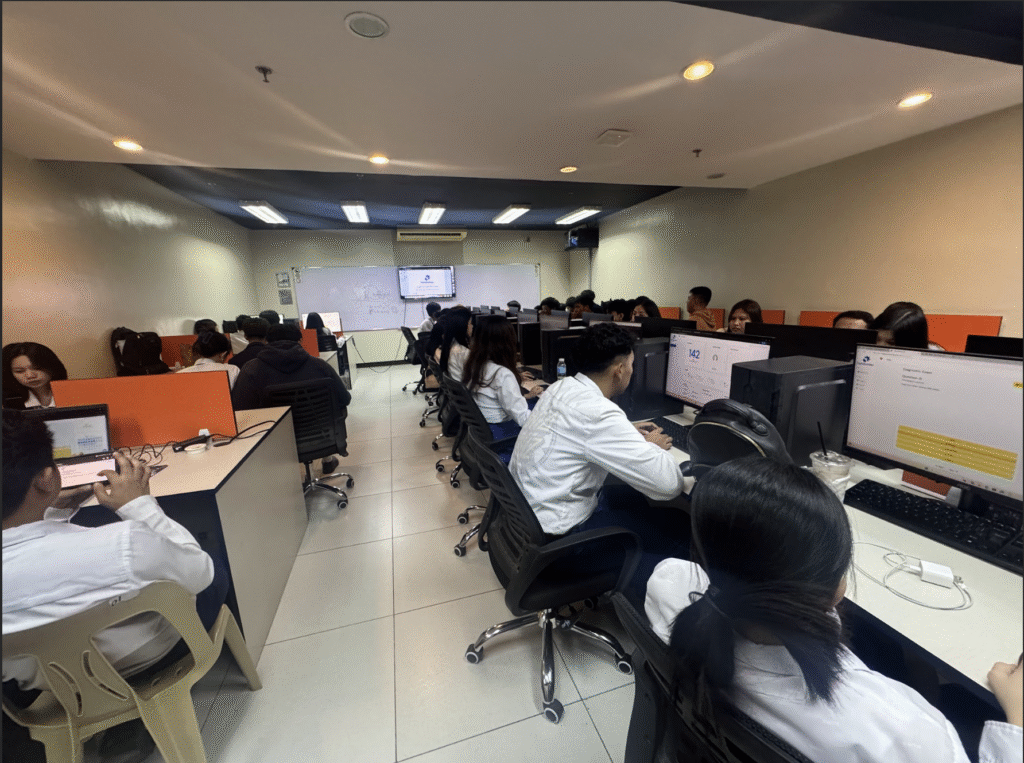
- PathBuilder to map CLOs → lab tasks → rubrics, auto-generate formative checks, and visualize mastery at the circuit/topic level.
- FutureClassroom to support HyFlex delivery of demos, capture lab walkthroughs, and streamline uploads of reports, schematics, and simulation files.
Tangible outputs from Day 1
- A starter course kit per subject (outcomes map, 2–3 fully prepped lab cycles, rubric bank, and submission checklist).
- A turnaround plan for feedback (expectations by artifact type—schematic, waveform screenshots, BOMs, short design notes).
- A monitoring dashboard that flags pre-lab readiness, missed submissions, and repeated misconceptions (e.g., sampling/aliasing, op-amp limits).
How success will be measured in ECE
- Pre-lab readiness rate (students completing checks before entering the lab).
- Feedback turnaround (time to graded, rubric-aligned responses on reports and simulations).
- Concept mastery during weeks 1–4 (short checks on fundamentals in circuits, signals, and basic comms).
- Early recovery (percent of “at-risk” students who return to on-track status by week 4).
6-week rollout plan
- Weeks 0–1: Small-group clinics to finalize lab packs and safety/ethics briefings; calibrate rubrics across sections.
- Weeks 2–3: Live pilots in selected courses; compare feedback speed and student engagement to historical baselines.
- Weeks 4–6: Tune rubrics and interventions; publish a faculty mini-compendium of working prompts, demos, and checklists for scale-up.
Shared commitment
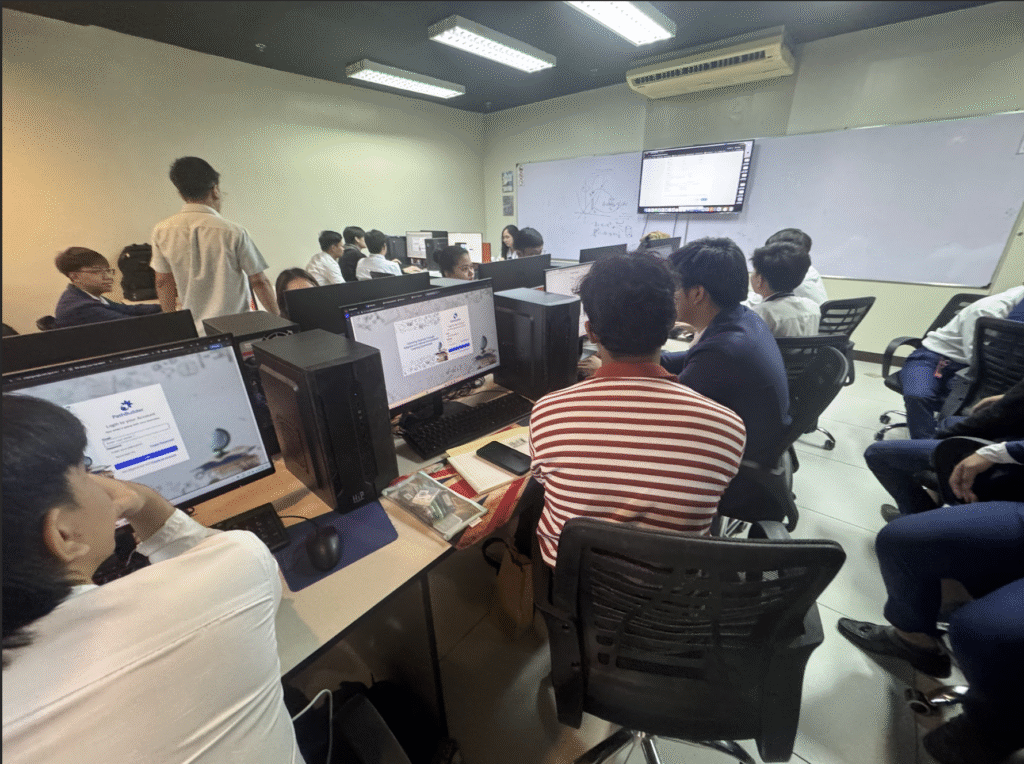
The onboarding supports FAITH Colleges’ push for high-quality, future-ready engineering education, while advancing SDG 4 (Quality Education), SDG 9 (Industry, Innovation, and Infrastructure), and SDG 17 (Partnerships for the Goals) through responsible, evidence-based AI in the lab and lecture hall.
Exploring faculty enablement or program pilots with Makarius Smart Learning? Visit msmartlearning.com to connect with our team.